Khalid El Ghmari Presents the Hydrological Situation of the Sebou Basin
On Wednesday, February 4, 2026, Moroccan television channel 2M hosted Khalid El Ghmari, Director of the Sebou Hydraulic Basin Agency (ABHS) and former Director of Dams, to deliver a comprehensive briefing on the hydrological situation in the Sebou basin, one of Morocco's most critical watersheds.
The Sebou Basin: Morocco's Hydraulic Backbone
The Sebou basin is one of Morocco's richest and most vital watersheds. Spanning approximately 40,000 square kilometers, it covers vast areas of the northern and central regions of the Kingdom, including the areas of Fez, Meknes, Kenitra, and Sidi Kacem.
The Basin in Numbers
| Indicator | Value |
|---|---|
| Total area | ~40,000 km² |
| Share of national surface water resources | ~30% |
| Number of major dams | 12 |
| Irrigated areas | Over 250,000 hectares |
| Population served | Over 6 million people |
The Sebou basin contributes approximately one-third of all surface water resources at the national level, making it a fundamental pillar of Morocco's water and food security.
Key Points from the Television Appearance
1. Hydrological Situation Assessment
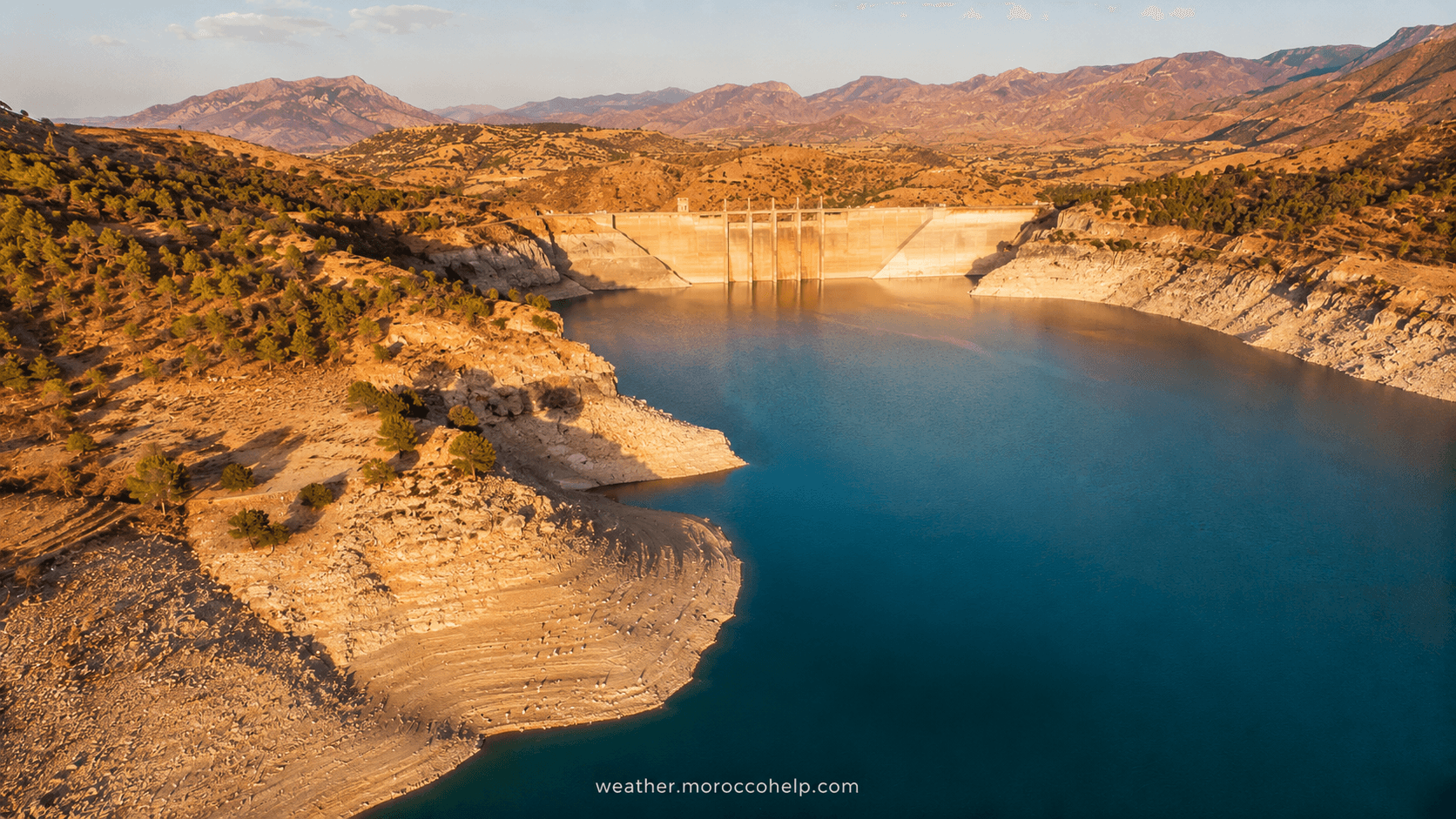
Mr. El Ghmari presented data on the current hydrological situation in the Sebou basin, highlighting dam filling levels and their comparison with historical averages. He emphasized the importance of monitoring precipitation patterns and their direct impact on both surface and groundwater resources.
2. Dam and Water Resource Management
Drawing on his experience as former national Director of Dams, Mr. El Ghmari provided in-depth insights on:
- Hydraulic reserve management strategy across the basin's dams
- Balancing competing demands: drinking water, irrigation, industry, and ecosystem preservation
- Climate change impact on dam inflows and adaptation measures
- Modernization and maintenance projects to ensure the sustainability of hydraulic infrastructure
3. Challenges and Outlook
The director addressed the main challenges facing the water sector in the Sebou basin:
- Climate variability: declining and irregular precipitation patterns
- Growing pressure on water resources due to demographic growth and urban expansion
- Water pollution: challenges in preserving water quality
- Groundwater overexploitation: particularly in agricultural zones
The Sebou Hydraulic Basin Agency (ABHS)
The Sebou Hydraulic Basin Agency plays a central role in the management and protection of water resources across the basin. Its core missions include:
- Monitoring and surveillance of water resources in terms of quantity and quality
- Hydraulic planning and development of the Integrated Water Resources Management Master Plan (PDAIRE)
- Issuing authorizations for the use of the public hydraulic domain
- Combating pollution and protecting water resources
- Raising awareness about the importance of rationalizing water use
The National Context of Water Management
This appearance comes amid heightened attention to water issues in Morocco, where the Kingdom is implementing a comprehensive hydraulic strategy that includes:
- The National Drinking Water and Irrigation Supply Program (2020-2027): an investment of 115 billion dirhams
- Construction of new dams: to strengthen storage capacity
- Seawater desalination: major projects in Agadir and Casablanca
- Inter-basin transfers: water transfer from northern to southern regions
- Rationalizing agricultural water use: expanding drip irrigation
Conclusion
Khalid El Ghmari's televised appearance provides an important opportunity to shed light on the state of water resources in the Sebou basin and the challenges facing Morocco's water sector. It underscores the vital role that hydraulic basin agencies play in ensuring the sustainable and rational management of this critical resource.