Snow in Morocco: Skiing in Africa's Hidden Winter Wonderland
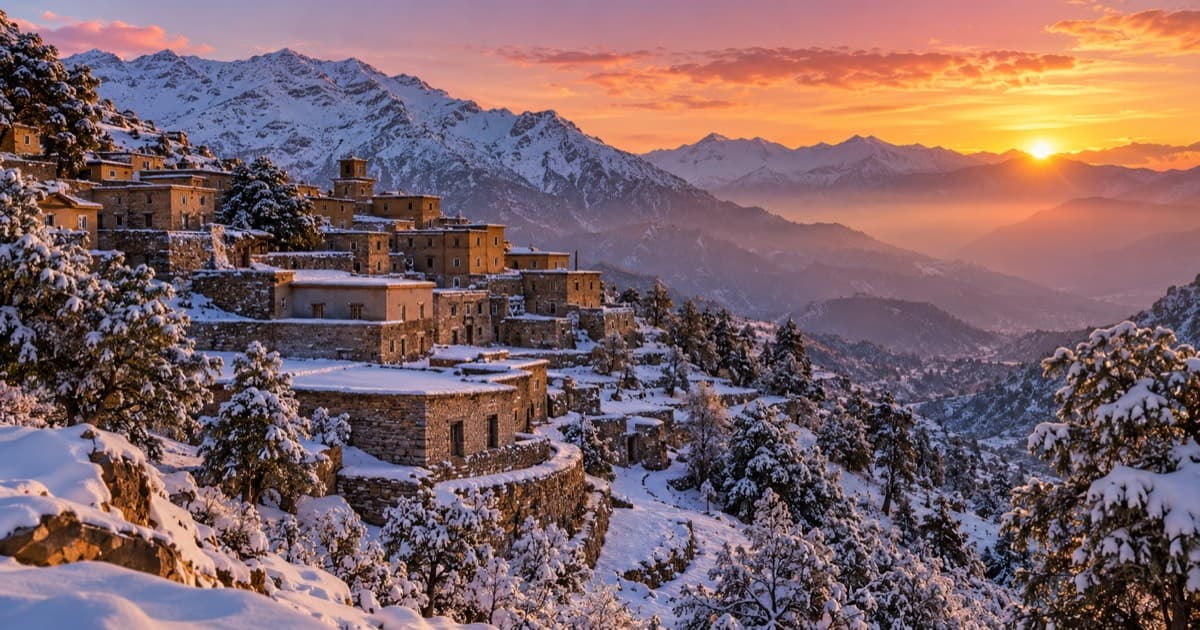
When people picture Morocco, they imagine sun-baked souks, golden sand dunes, and palm-fringed oases. Snow rarely enters the conversation. Yet every winter, the Atlas and Rif mountains transform into a white wonderland that would not look out of place in the European Alps. Morocco is home to Africa's highest ski resort, regular snowfall that blankets entire provinces, and a cold-weather tradition that dates back to the French Protectorate era. This is the story of Morocco's other season — and it all begins with the start of winter in Morocco on December 21, our complete guide with the exact solstice time.
Where Does It Snow in Morocco?
Snowfall in Morocco is governed almost entirely by altitude. Any location above approximately 1,500 meters can receive snow in a typical winter, and above 2,500 meters, snow is virtually guaranteed from December through March.
The High Atlas
The High Atlas range, running roughly 700 km from the Atlantic coast near Agadir to the Algerian border, is Morocco's primary snow zone. The highest peaks, including Jbel Toubkal at 4,167 meters, Jbel M'Goun at 4,071 meters, and Jbel Ayachi at 3,737 meters, accumulate deep snowpacks that can persist into June on north-facing slopes.
Key snowfall statistics for the High Atlas include:
- Annual snowfall above 3,000 m: 2 to 4 meters of accumulated snow in an average winter.
- Snow season: November through April, with peak accumulation in January and February.
- Snowline: Typically descends to 1,800 to 2,000 meters during major winter storms, occasionally reaching 1,500 meters in exceptional years.
The Middle Atlas
The Middle Atlas, a broad plateau and mountain region north of the High Atlas, receives reliable snowfall thanks to its exposure to moisture-laden Atlantic and Mediterranean air masses. Elevations range from 1,500 to 3,340 meters (Jbel Bou Naceur), and the region is heavily forested with Atlas cedar, a tree species that thrives in cold, snowy conditions.
The Rif Mountains
The western Rif, particularly the area around Ketama and Chefchaouen, receives occasional snowfall at elevations above 1,500 meters. The Rif's proximity to the Mediterranean means its snow is often wet and heavy, melting quickly at lower elevations but accumulating on high ridges.
Ifrane: Morocco's Little Switzerland
No discussion of Moroccan snow is complete without Ifrane. This small city in the Middle Atlas, perched at 1,665 meters, was developed by the French during the Protectorate era as a hill station retreat from the summer heat of lowland cities. With its pitched roofs, stone buildings, and cedar-lined streets, Ifrane looks remarkably European, and in winter, the resemblance becomes uncanny.
Climate of Ifrane
- Average January temperature: High of 8 C, low of -2 C.
- Record low: -23 C, recorded in February 1935, making it the coldest temperature ever documented in Africa.
- Annual precipitation: Approximately 1,000 mm, with a significant portion falling as snow from December to March.
- Snow days: In a typical winter, Ifrane experiences 25 to 35 days with snowfall.
Winter Life in Ifrane
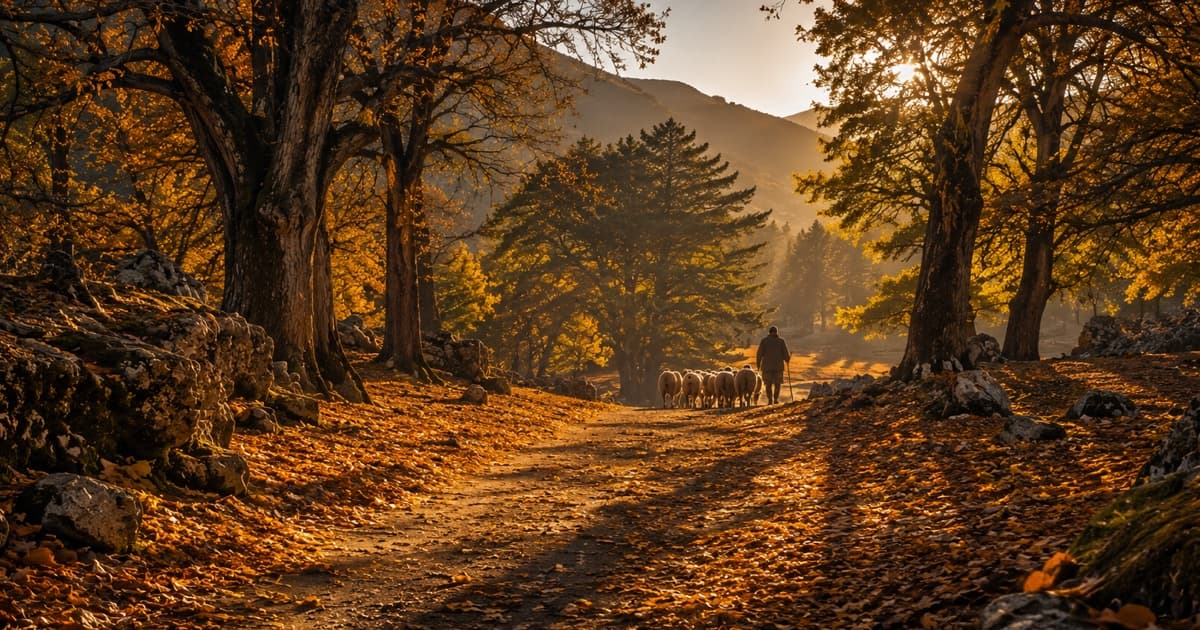
When snow falls heavily, Ifrane transforms. Children build snowmen in the central park near the famous stone lion sculpture. Families from Fes and Meknes, just two hours away on the highway, drive up for the day, packing picnics and plastic sleds. The surrounding cedar forests, home to the endangered Barbary macaque, take on a mystical quality under fresh snow, with the dark green branches weighed down by white powder.
Al Akhawayn University, Morocco's English-language university, is located in Ifrane and gives the town a youthful energy even during the coldest months. Students from across Morocco and the world experience weather that many of them have never encountered before.
Oukaimeden: Africa's Highest Ski Resort
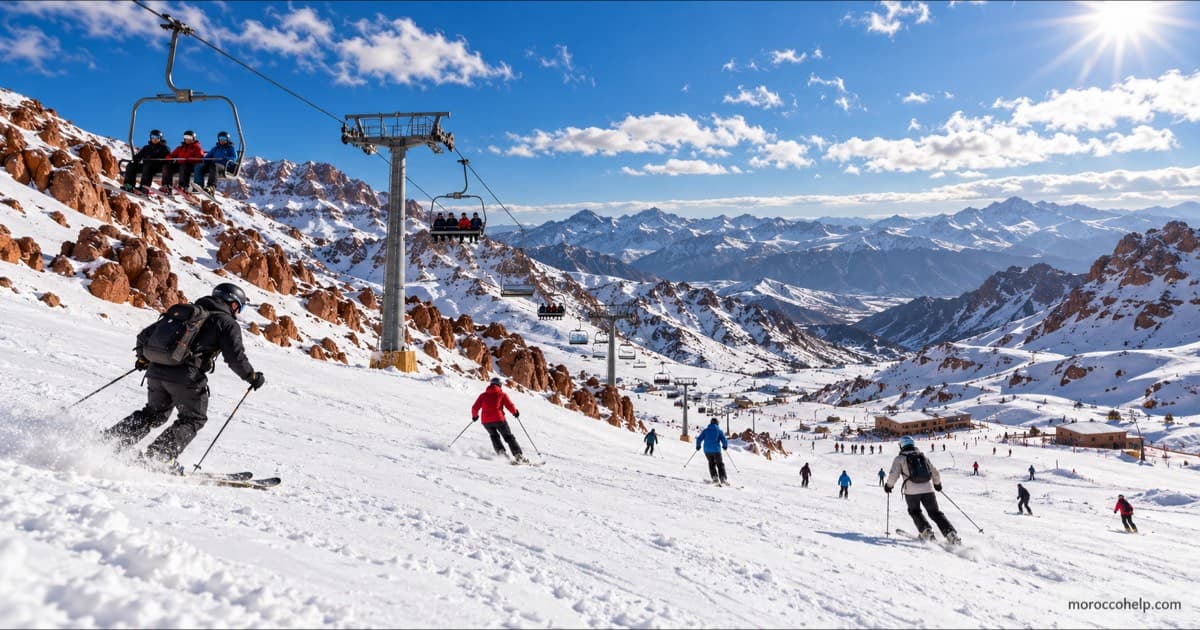
Located 75 km south of Marrakech in the High Atlas, Oukaimeden sits at 2,600 meters with lifts reaching 3,258 meters, making it the highest ski resort on the African continent.
History
Skiing at Oukaimeden dates to the 1930s, when French residents of Marrakech began making the steep drive up the Ourika Valley to enjoy winter sports. A proper resort was developed in the 1950s, with the first mechanical ski lift installed in the 1960s. Today, the resort has expanded to include several lifts, a ski school, equipment rental shops, and a handful of hotels and restaurants.
The Skiing Experience
Oukaimeden offers an experience unlike any other ski destination in the world.
- Terrain: The resort features approximately 20 km of skiable terrain across gentle beginner slopes and steeper intermediate runs. The snow tends to be packed and firm rather than fluffy powder, thanks to the intense North African sun.
- Season: Typically December through March, though the window varies significantly from year to year. In good snow years, skiing can extend into April.
- Snow conditions: Natural snowfall averages 1 to 2 meters of accumulation at the base and more at the summit. There is no artificial snowmaking, so the season is entirely dependent on natural weather patterns.
- Scenery: On clear days, skiers enjoy views of the Saharan foothills to the south and the Haouz plain to the north. The contrast of white slopes, red rock, and deep blue sky is extraordinary.
- Affordability: Lift passes, equipment rental, and instruction are remarkably inexpensive by international standards, making Oukaimeden accessible to a broad range of visitors.
Practical Tips for Oukaimeden
- Check conditions before driving up. There is no webcam or reliable real-time reporting. The best approach is to call a local hotel or check social media for recent photos.
- Carry snow chains during winter. The road from Marrakech is paved but narrow and winding, and it can be icy above 2,000 meters.
- Start early. Snow conditions are best in the morning before the sun softens the surface. By afternoon, slopes can become slushy or icy depending on temperature.
- Bring lunch. On-mountain food options are limited to a few basic cafes serving tagine and mint tea.
Michlifen: The Middle Atlas Resort
Michlifen, located near Ifrane at an elevation of 2,000 meters, is Morocco's other significant ski destination. The resort occupies an ancient volcanic crater, giving it a natural bowl shape that holds snow well.
What Michlifen Offers
- Terrain: Gentler than Oukaimeden, making it ideal for beginners and families. The crater shape provides a natural amphitheater with slopes radiating from a central bowl.
- Season: Similar to Oukaimeden, roughly December to March, though the lower elevation means a slightly shorter and less reliable season.
- Facilities: A boutique resort hotel opened in recent years, significantly upgrading the accommodation options. Equipment rental and basic food services are available.
- Proximity to Ifrane and Fes: Michlifen is just 20 km from Ifrane and about two hours from Fes, making it an easy day trip from the imperial city.
Recent Development
Morocco has invested in upgrading Michlifen as part of a broader tourism diversification strategy. The goal is to attract both domestic and international visitors who may not associate Morocco with winter sports. New infrastructure, including improved roads and accommodation, has been developed, though the resort remains modest by European or North American standards.
Snowfall Patterns: When and How Much
Morocco's snowfall is driven by Atlantic weather systems that track eastward across the Mediterranean basin during winter.
The Typical Snow Season
- November: Early-season storms can dust the highest peaks of the High Atlas and Middle Atlas above 2,500 meters. These are usually brief and melt quickly.
- December: The snow season begins in earnest. Major storms can bring significant accumulation above 2,000 meters, and the ski resorts typically open in the second half of the month.
- January: Statistically the snowiest month. Multi-day storm systems can deposit 50 to 100 cm of fresh snow in the mountains. Ifrane often sees its heaviest snowfall in January.
- February: Continued snowfall, though dry interludes become more common. The snowpack reaches its maximum depth, and the skiing is often at its best.
- March: Spring storms can still bring heavy snow, sometimes at lower elevations. However, rising temperatures mean the snowpack begins to melt rapidly at lower altitudes.
- April-May: Snow retreats to the highest elevations. Above 3,500 meters in the High Atlas, patches can linger into May or even June in sheltered couloirs.
Variability
Morocco's snowfall is highly variable from year to year. The country sits at the southern margin of the Northern Hemisphere's winter storm track, meaning that small shifts in the jet stream or the position of the Azores High can dramatically affect how many storms reach the mountains.
- Good snow years: When the jet stream dips south, bringing a succession of Atlantic depressions across Morocco, the mountains can receive double their average snowfall. These years produce excellent skiing, full reservoirs, and lush spring vegetation.
- Poor snow years: When the jet stream remains far to the north, Morocco can experience a nearly snowless winter. The ski resorts may not open at all, and the water supply consequences are severe.
Snow and Water: A Critical Resource
Snowfall in the Atlas Mountains is far more than a recreational asset. It is a critical component of Morocco's water supply. The spring snowmelt feeds the rivers that irrigate the agricultural plains of the Haouz, Tadla, and Gharb, regions that produce much of the country's food.
Snowmelt Hydrology
- The Oum er-Rbia, Morocco's longest river, receives approximately 40% of its annual flow from Atlas snowmelt.
- The Tensift River, which feeds Marrakech's water supply, depends heavily on snow that accumulates in the Toubkal massif.
- Reservoirs throughout the Atlas foothills fill primarily from snowmelt runoff during March to May.
In drought years, when snowfall is below average, these rivers and reservoirs run low, triggering water rationing in cities and crop failures in irrigated areas. Climate change projections suggest that the snowline will rise and the snow season will shorten in coming decades, posing a serious long-term threat to Morocco's water security.
Mountaineering and Winter Trekking
Beyond skiing, Morocco's snowy mountains offer outstanding winter mountaineering and trekking opportunities.
Jbel Toubkal in Winter
- Conditions: Snow and ice cover the upper mountain from November to April. Crampons and ice axes are essential above 3,500 meters.
- Difficulty: A non-technical but physically demanding climb in summer becomes a serious mountaineering objective in winter, requiring cold-weather experience and proper equipment.
- Guides: Local mountain guides from the village of Imlil are experienced in winter conditions and are required by regulation for the upper mountain.
Middle Atlas Snowshoeing
The cedar forests of the Middle Atlas provide excellent snowshoeing terrain. Trails around Ifrane, Azrou, and the Aguelmane lakes offer gentle routes through stunning winter landscapes. Encountering Barbary macaques playing in the snow is a highlight.
The Future of Morocco's Snow
Climate models paint a concerning picture for Morocco's snowfall.
- Rising temperatures are pushing the snowline higher, meaning that snow now falls as rain at elevations that historically received regular snow cover.
- Shorter seasons are projected, with snow arriving later in winter and melting earlier in spring.
- Reduced total accumulation threatens both water supply and the viability of ski resorts.
Morocco's ski infrastructure, built during a cooler climatic era, faces an uncertain future. However, the mountains will continue to receive snow for the foreseeable future, even if the amounts diminish. The experience of skiing, trekking, or simply watching snow fall on the cedars of Ifrane will remain one of Morocco's most surprising and delightful offerings for years to come.
Conclusion
Snow in Morocco challenges every preconception about North Africa. The fact that you can ski in the morning and dine in a Marrakech riad by evening, or watch Barbary macaques play in snowdrifts, or stand on Africa's highest ski lift looking out over the desert, speaks to the extraordinary diversity of this country. For travelers willing to pack warm layers and venture into the mountains between December and March, Morocco's winter wonderland awaits.