Packing for Morocco's Unpredictable Weather
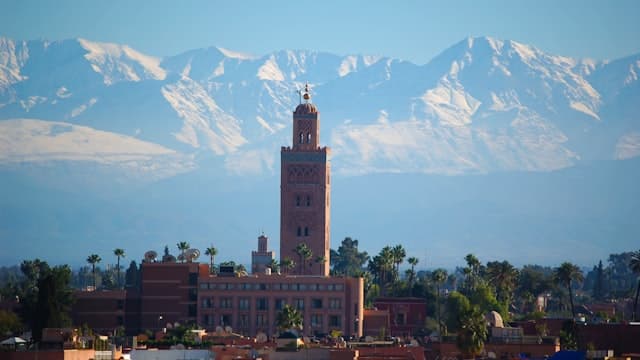
Packing for Morocco is an exercise in contradiction. You need sunscreen and a warm jacket. Sandals and hiking boots. A windbreaker and a wide-brimmed hat. The country's five climate zones mean that a single trip can take you from snow-capped mountains to scorching desert, from foggy coast to humid medina, sometimes in a single day. Get your packing right and Morocco is a joy. Get it wrong and you will spend your trip either shivering in an unheated riad or melting in the wrong fabric under the Saharan sun.
This guide breaks down exactly what to pack for each season and climate zone, based on real weather data rather than vague advice.
The Golden Rule: Layers, Layers, Layers
If there is one principle that governs packing for Morocco, it is layering. The temperature can swing 20 C in a single day, especially in the interior and desert regions. A layering system allows you to adapt quickly without carrying a suitcase full of single-purpose garments.
The Three-Layer System
-
Base layer: Lightweight, moisture-wicking fabric that sits against the skin. Merino wool is ideal for its temperature regulation and odor resistance. Synthetic polyester blends are a budget alternative. Avoid cotton as a base layer; it holds moisture and loses all insulating value when wet.
-
Mid layer: Insulation for warmth. A lightweight fleece or thin down jacket works well. This layer traps body heat and can be removed easily when temperatures rise.
-
Outer layer: Protection from wind and rain. A packable windbreaker or rain shell is essential. It does not need to be heavy; Morocco's rain is usually warm enough that a breathable waterproof layer is sufficient.
Spring (March to May): The Ideal Season
Spring is Morocco's most pleasant season and the easiest to pack for, but do not be lulled into complacency. The weather can shift quickly during this transitional period.
Temperatures to Expect
- Coastal cities (Essaouira, Casablanca, Rabat): 18 C to 24 C. Comfortable but breezy.
- Inland cities (Marrakech, Fes): 22 C to 32 C. Warm but not oppressive.
- Mountains (Atlas passes, Ifrane): 8 C to 18 C. Still cold at altitude.
- Desert (Merzouga, Zagora): 25 C to 35 C during the day, 8 C to 14 C at night.
Spring Packing List
- Light cotton or linen shirts and trousers for daytime in cities.
- One lightweight fleece or pullover for mountain passes and desert evenings.
- A packable rain jacket. Spring showers are still possible through April.
- Comfortable walking shoes with good grip for medina cobblestones.
- Sunglasses and SPF 50 sunscreen. The Moroccan sun is strong even in spring.
- A scarf or shawl. Useful for mosque visits, sun protection, and warmth.
- Layers for the desert. If you are doing an overnight camel trek, bring a warm jacket, hat, and gloves for the pre-dawn hours. Desert nights in spring can drop to 5 C.
Summer (June to August): Managing the Heat
Summer in Morocco is serious business. Temperatures inland regularly exceed 40 C, and the sun is relentless. Packing for summer is about sun protection, breathability, and staying cool.
Temperatures to Expect
- Coastal cities: 22 C to 28 C. The coast is a refuge.
- Inland cities: 35 C to 45 C. Marrakech and Fes are ovens.
- Mountains: 20 C to 30 C at mid-elevations. Higher peaks remain cool.
- Desert: 40 C to 50 C during the day, 20 C to 28 C at night.
Summer Packing List
- Loose, light-colored clothing in natural fabrics. Cotton and linen are your best friends. Avoid dark colors that absorb heat. Long sleeves and long trousers actually keep you cooler than shorts and t-shirts by protecting skin from direct sun.
- A wide-brimmed hat is non-negotiable. Baseball caps leave the neck and ears exposed.
- High-SPF sunscreen (50+) and reapply every two hours. The UV index in Marrakech in July exceeds 11, which is classified as "extreme."
- Sunglasses with UV400 protection. The glare off white buildings and sand can cause eye strain.
- A light scarf or cheche. This traditional Saharan head covering is enormously practical. Wrap it around your head, neck, and face for sun and dust protection. You can buy them cheaply in any souk, but having one from the start of your trip is wise.
- Comfortable sandals for daytime walking. Leather sandals are cooler than closed shoes.
- Closed walking shoes for evening medina exploration when sandals become impractical on uneven ground.
- A light cardigan or wrap for aggressively air-conditioned restaurants and malls, which can feel arctic after the outdoor heat.
- A reusable water bottle. Hydration is survival in the Moroccan summer. Carry at least 1.5 liters at all times.
Coastal Wind Considerations
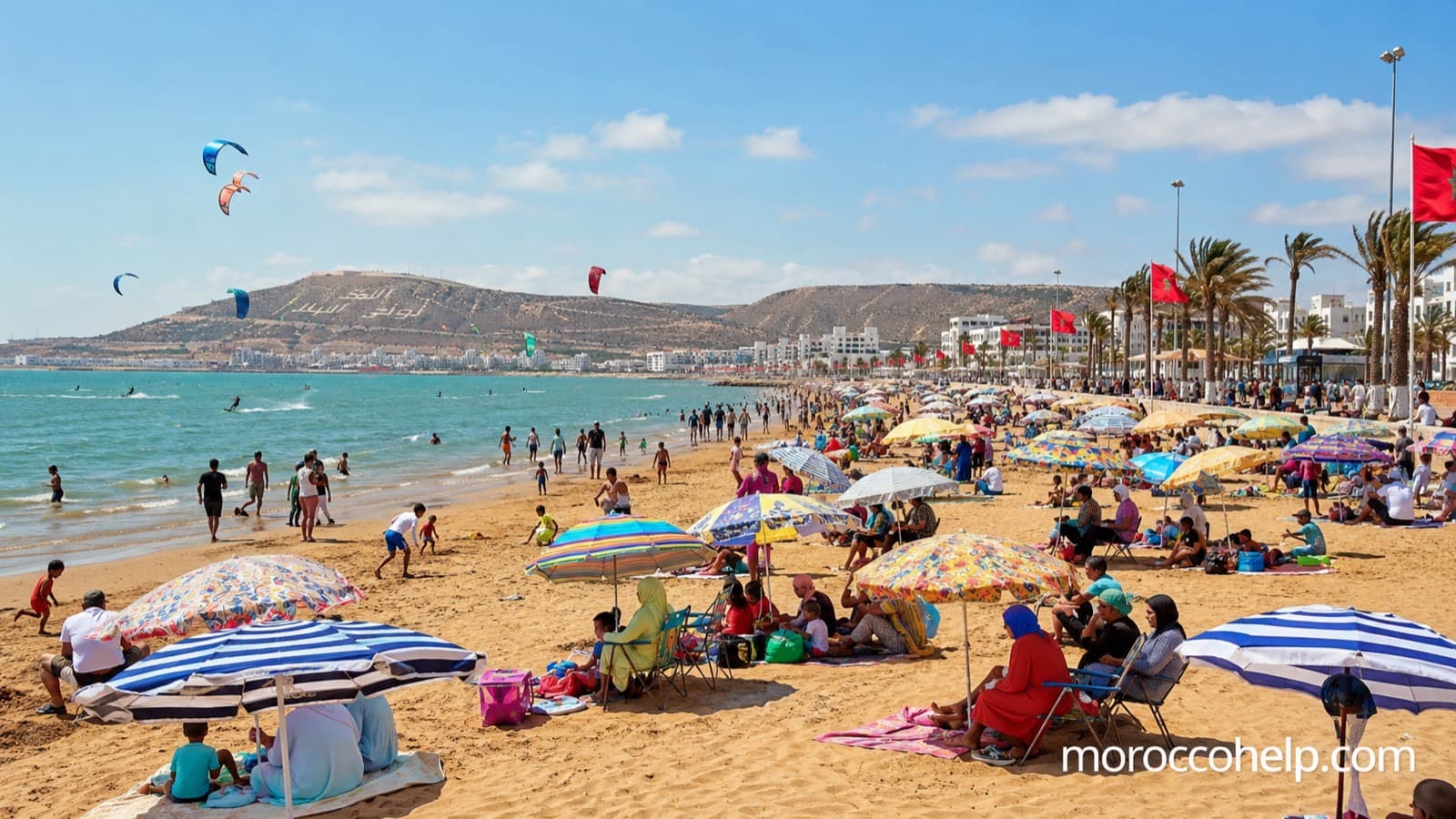
If your summer itinerary includes Essaouira, Tarfaya, or Dakhla, pack for wind rather than heat.
- A windbreaker is essential. Essaouira's trade winds can make 22 C feel like 15 C, especially at the beach.
- Secure everything. Hats blow away, sarongs fly off, and sand gets into every pocket. A hat with a chin strap is useful.
- Sand-resistant fabrics. Avoid fleece and similar materials that trap sand. Smooth, tightly woven fabrics shake clean easily.
Autumn (September to November): The Second Sweet Spot
Autumn is an excellent travel season, with warm days, cooler nights, and the beginning of the rainy season in the north.
Temperatures to Expect
- Coastal cities: 22 C to 26 C. Warm sea, diminishing wind.
- Inland cities: 25 C to 35 C. September is still hot; November is comfortable.
- Mountains: 10 C to 22 C. Cooling rapidly.
- Desert: 25 C to 38 C during the day, 10 C to 18 C at night.
Autumn Packing List
- Similar to spring, with a gradual shift toward warmer layers as the season progresses.
- A rain jacket becomes increasingly important from October onward.
- For November travel, add a warmer mid-layer (fleece or light down) for mountain passes and desert nights.
- Waterproof shoes or boots for the Rif and northern cities, where November rain can be persistent.
Winter (December to February): The Underrated Season
Winter travel in Morocco is deeply rewarding: fewer tourists, lower prices, green landscapes, and snow in the mountains. But it demands more careful packing than any other season.
Temperatures to Expect
- Coastal cities: 14 C to 18 C. Mild but damp.
- Inland cities: 8 C to 18 C during the day, 3 C to 8 C at night.
- Mountains: -5 C to 10 C. Snow above 1,500 meters.
- Desert: 18 C to 24 C during the day, 2 C to 8 C at night.
Winter Packing List
- A warm jacket. A packable down or synthetic insulated jacket is the most important item for winter Morocco. You will need it in the evenings, in mountain areas, and in the desert at night.
- Warm base layers for cold mornings and evenings. Merino wool thermals are ideal.
- A waterproof outer layer. Winter rain can be heavy and sustained, especially in the north.
- Warm trousers or jeans. Lightweight summer trousers are insufficient for Moroccan winter evenings.
- Closed, waterproof footwear. Rain on medina cobblestones creates slippery, puddle-filled surfaces. Leather boots or waterproof hiking shoes are the best options.
- A warm hat and gloves for mountain excursions, desert nights, and early morning starts.
- A hot water bottle (seriously). Many riads and guesthouses lack central heating. A hot water bottle, filled from the kitchen kettle, can make the difference between a comfortable night and a sleepless one.
- For skiing at Oukaimeden or Michlifen: full winter sports gear including thermal base layers, insulated jacket, waterproof trousers, and warm gloves. Equipment can be rented on-site, but it is basic.
Special Situations
Desert Overnight Camps
If you are spending a night in a Saharan desert camp, whether in the Erg Chebbi or Erg Chigaga, packing requires special attention.
- Bring your warmest layers, even in summer. The radiative cooling in the desert is extreme. Temperatures drop rapidly after sunset, and the hours before dawn are genuinely cold for eight months of the year.
- A headlamp for navigating the camp at night.
- Ear plugs and eye mask for sleeping in communal tents.
- Closed shoes for nighttime. Scorpions are active at night in the desert. Never walk barefoot.
- Camera protection. Sand and camera sensors do not mix. A zip-lock bag for your phone and a protective sleeve for a camera are wise investments.
Atlas Mountain Trekking
- Proper hiking boots with ankle support and good tread. Trails are rocky and often loose.
- Gaiters for snow crossings in winter and scree in summer.
- Sun protection at altitude. UV intensity increases by approximately 10% for every 1,000 meters of elevation gain. At the summit of Toubkal (4,167 m), you receive roughly 40% more UV radiation than at sea level.
- Rain gear year-round. Afternoon thunderstorms can develop rapidly in the mountains, even during the dry season.
Medina Exploration
- Comfortable shoes with good grip. Medina streets are narrow, uneven, often wet, and sometimes slippery with spilled produce or water from cleaning. Flip-flops are a recipe for injury.
- A small crossbody bag rather than a backpack. In narrow alleys, a backpack catches on displays and blocks other pedestrians.
- Modest clothing. While Morocco is tolerant by regional standards, covering shoulders and knees shows respect, especially in smaller cities and rural areas.
Universal Items for Any Season
Regardless of when you visit, these items belong in every Morocco-bound suitcase:
- Sunscreen (SPF 50+). The North African sun burns quickly, even on cloudy days.
- Lip balm with SPF. The dry air, especially inland, chaps lips rapidly.
- Hand sanitizer and wet wipes. Not every meal location will have washing facilities.
- A scarf or shawl. The single most versatile item. It serves as sun protection, warmth, wind shield, mosque cover, beach towel, and pillow.
- Insect repellent. Mosquitoes are present in oasis areas and near standing water, especially in spring and autumn.
- A portable charger. Long days of exploration, navigation, and photography drain batteries, and charging points in riads may be limited.
- Earplugs. The call to prayer begins before dawn. Medina soundscapes are vibrant but rarely quiet.
Common Packing Mistakes
- Overpacking for heat, underpacking for cold. The single most common error. Morocco gets cold, sometimes very cold, and buildings are designed for heat, not insulation.
- Bringing only sandals. Sandals are great for daytime, but you need proper shoes for medinas, mountains, and rainy weather.
- Forgetting wind protection for the coast. Essaouira in summer feels nothing like Marrakech. A windbreaker is as essential as sunscreen.
- Cotton-only wardrobes. Cotton is comfortable in dry heat but miserable when wet and slow to dry. Blend in some synthetics or merino for versatility.
- Huge luggage. Riad doorways are narrow, medina alleys are tight, and there are stairs everywhere. A smaller, lighter bag is better than a large suitcase.
Conclusion
Packing for Morocco is packing for a continent in miniature. The country's climatic diversity demands thoughtful preparation, but the reward is a trip where you are comfortable in every setting: warm in the desert night, cool in the summer medina, dry in the winter rain, and protected from the coastal wind. Start with the layering system, add season-specific items, and leave room in your bag for the treasures you will inevitably bring home from the souks.