Morocco Weather Calendar: What to Expect Every Month
Morocco's weather is a moving target. The country spans five climate zones, and conditions vary enormously from the Mediterranean north to the Saharan south, from the Atlantic coast to the inland valleys. A single national forecast is almost meaningless. This month-by-month guide provides region-specific weather data, helping you understand exactly what to expect wherever and whenever you travel.
January: The Heart of Winter
January is Morocco's coldest and wettest month. Short days, frequent rain in the north, and cold nights everywhere except the deep south.
Regional Conditions
- Tangier/Rif: Highs 14-16 C, lows 7-9 C. Frequent rain (80-120 mm). Snow on Rif peaks above 1,500 m. Grey, overcast days are common.
- Casablanca/Rabat: Highs 16-18 C, lows 8-10 C. Moderate rain (60-80 mm). Sea temperature 16 C.
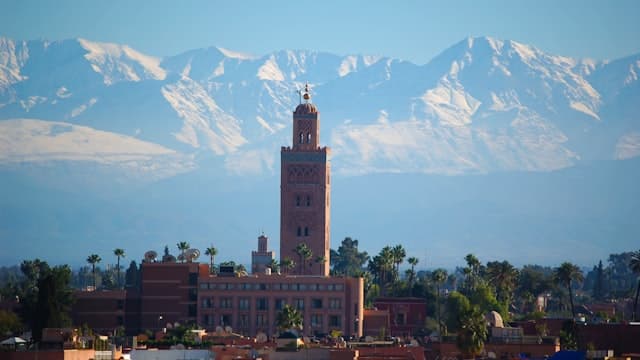
- Marrakech: Highs 17-19 C, lows 5-7 C. Light rain (25-30 mm). Clear skies between frontal passages. Snow visible on High Atlas from the city.
- Fes: Highs 14-16 C, lows 3-5 C. Rain 50-70 mm. Cold mornings with occasional frost.
- Atlas Mountains: Heavy snow above 1,800 m. Ifrane sees sub-zero nights. Ski season at Oukaimeden and Michlifen.
- Sahara (Merzouga): Highs 18-22 C, lows 2-6 C. Clear skies. Desert nights are bitterly cold.
What to Know
- Heating in Moroccan accommodations is often minimal. Request extra blankets.
- Roads over Atlas passes (Tizi n'Tichka, Tizi n'Test) may close temporarily for snow.
- Hotel prices are at their lowest. Tourist sites are uncrowded.
- Excellent for birdwatching as migratory species winter in Morocco.
February: Late Winter, Early Signs of Spring
February continues the winter pattern but with gradually lengthening days and the first hints of spring warmth.
Regional Conditions
- Tangier/Rif: Highs 15-17 C, lows 7-9 C. Rain continues (60-100 mm). Almond trees begin to blossom in the Rif valleys.
- Casablanca/Rabat: Highs 17-19 C, lows 8-10 C. Rainfall easing slightly (50-70 mm).
- Marrakech: Highs 19-21 C, lows 6-8 C. Rain 20-30 mm. Almond blossoms in the Ourika Valley are spectacular mid-month.
- Fes: Highs 15-17 C, lows 4-6 C. Rain 40-60 mm.
- Atlas Mountains: Peak snowpack. Best skiing conditions of the year.
- Sahara: Highs 20-24 C, lows 4-8 C. Comfortable for desert excursions, but nights remain cold.
What to Know
- The almond blossom season (mid-February to early March) around Tafraoute in the Anti-Atlas is one of Morocco's most beautiful natural events.
- Surf season along the Atlantic coast is at its peak, with consistent swells from the North Atlantic.
- Carnival and festival season begins in some regions.
March: Spring Arrives
March is a turning point. Rain decreases, temperatures rise, and the landscape greens up across the north and west.
Regional Conditions
- Tangier/Rif: Highs 17-19 C, lows 9-11 C. Rain decreasing (50-80 mm). Wildflowers emerging.
- Casablanca/Rabat: Highs 19-21 C, lows 10-12 C. Rain 40-50 mm. Pleasant, fresh days.
- Marrakech: Highs 23-26 C, lows 9-11 C. Rain 25-35 mm. Ideal weather for sightseeing.
- Fes: Highs 19-22 C, lows 7-9 C. Rain 40-50 mm. The mellah and medina are comfortable for exploration.
- Atlas Mountains: Snow melting at lower elevations. Passes reopening. Spring trekking begins.
- Sahara: Highs 26-30 C, lows 10-14 C. Warming but still comfortable. Sandstorm risk begins to increase.
What to Know
- March is one of the best overall months for Morocco travel. Comfortable temperatures everywhere, green landscapes, and moderate tourist numbers.
- International Women's Day (March 8) is observed with events in major cities.
- Spring equinox brings equal day and night length, with approximately 12 hours of daylight.
April: Peak Spring
April is Morocco at its greenest and most beautiful. Rain tapers off, temperatures are ideal across most regions, and the countryside is carpeted with wildflowers.
Regional Conditions
- Tangier/Rif: Highs 19-22 C, lows 10-13 C. Rain decreasing (30-50 mm). Lush green hills.
- Casablanca/Rabat: Highs 21-23 C, lows 12-14 C. Rain 30-40 mm. Beach season begins for locals.
- Marrakech: Highs 26-29 C, lows 11-14 C. Rain 20-25 mm. Warm but not oppressive.
- Fes: Highs 22-25 C, lows 9-12 C. Rain 35-45 mm. Perfect weather for the medina.
- Atlas Mountains: Snow retreating above 2,500 m. Mountain meadows blooming. Excellent trekking.
- Sahara: Highs 30-34 C, lows 14-18 C. Getting hot. Morning and evening activities recommended.
What to Know
- Easter holidays bring increased tourist numbers and higher prices at popular sites.
- The Rose Festival in Kelaat M'Gouna (Dades Valley) typically falls in late April or early May.
- Daylight extends to approximately 13 hours.
- Ideal month for Atlas trekking, including Toubkal ascent without winter equipment.
May: The Last Comfortable Month
May marks the transition from spring to summer. The north and coast remain pleasant, but inland temperatures start to climb seriously.
Regional Conditions
- Tangier/Rif: Highs 22-25 C, lows 13-15 C. Rain rare (10-20 mm). Dry, sunny days.
- Casablanca/Rabat: Highs 23-25 C, lows 14-16 C. Rain minimal (10-15 mm).
- Marrakech: Highs 30-33 C, lows 14-17 C. Essentially dry. Heat building.
- Fes: Highs 27-30 C, lows 13-15 C. Dry and warm.
- Atlas Mountains: Snow above 3,000 m. Best month for high-altitude trekking.
- Sahara: Highs 35-40 C, lows 18-22 C. Last comfortable month for desert visits.
What to Know
- The Rose Festival in Kelaat M'Gouna is a highlight of the Moroccan calendar.
- Essaouira's trade winds strengthen, beginning the kite and windsurfing season.
- Book accommodations in advance for popular destinations.
- Local produce markets overflow with strawberries, cherries, and early-season melons.
June: Summer Begins
June marks the definitive arrival of summer. The Azores High extends its influence, shutting off rainfall and cranking up temperatures inland.
Regional Conditions
- Tangier/Rif: Highs 26-29 C, lows 16-18 C. Dry. Mediterranean beaches open for the season.
- Casablanca/Rabat: Highs 25-27 C, lows 16-18 C. Pleasant coastal weather.
- Marrakech: Highs 34-37 C, lows 18-21 C. Hot. Afternoon shade and pools become essential.
- Fes: Highs 32-35 C, lows 17-19 C. Heat intensifying.
- Essaouira: Highs 22-24 C. The Gnaoua World Music Festival brings international crowds.
- Sahara: Highs 40-44 C. Desert tourism winds down except for the most heat-tolerant visitors.
What to Know
- The Gnaoua Festival in Essaouira (usually late June) is one of Africa's premier music events.
- Coastal destinations are at their best: warm, sunny, and less crowded than July-August.
- Inland cities shift to summer rhythms with late dinners and afternoon siestas.
- The longest day of the year (June 21) brings over 14.5 hours of daylight.
July: Peak Summer
July is one of Morocco's hottest months. The coast is busy with European and domestic tourists, while inland cities bake.
Regional Conditions
- Tangier/Rif: Highs 29-32 C, lows 18-21 C. Dry. Beaches packed.
- Casablanca/Rabat: Highs 27-29 C, lows 18-20 C. Sea breeze moderates heat.
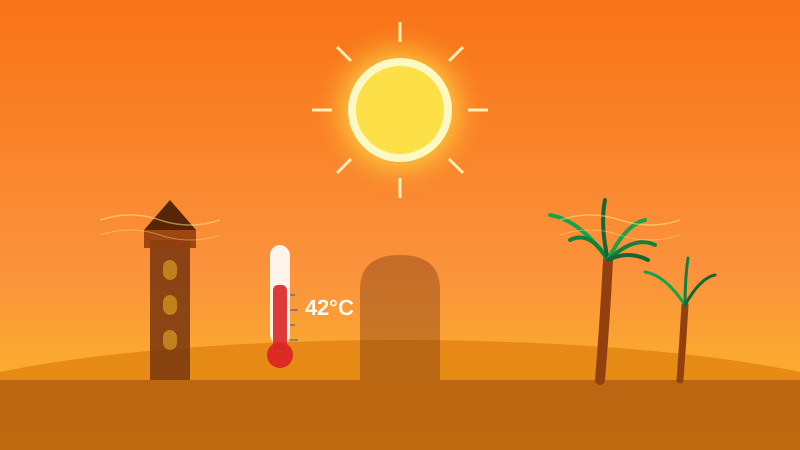
- Marrakech: Highs 38-42 C, lows 21-24 C. Extremely hot. Tourist numbers drop.
- Fes: Highs 35-38 C, lows 19-22 C. The medina becomes an oven.
- Essaouira: Highs 23-25 C. Maximum trade wind strength. Windsurfing at its best.
- Sahara: Highs 44-50 C. Effectively off-limits for tourism.
What to Know
- This is peak season for coastal tourism but low season for inland cities.
- Hotel prices on the coast are at their highest.
- The Timitar Festival in Agadir celebrates Amazigh culture through music and art.
- Water consumption advice: drink at least 3 liters per day inland.
August: The Furnace
August matches or exceeds July for heat. It is the quietest month for tourism inland but the busiest on the coast.
Regional Conditions
- Tangier/Rif: Highs 30-33 C, lows 19-22 C. Dry and hot, even by northern standards.
- Casablanca/Rabat: Highs 28-30 C, lows 19-21 C. Warmest sea temperatures (21-23 C).
- Marrakech: Highs 38-43 C, lows 22-25 C. Peak heat. Chergui events possible.
- Fes: Highs 36-39 C, lows 20-23 C. Heatwave risk.
- Essaouira: Highs 23-25 C. Strong winds persist.
- Sahara: Highs 44-50 C. Dangerous heat.
What to Know
- August is when Moroccans themselves take holidays, crowding coastal destinations.
- The Moussem of Tan-Tan (UNESCO-listed cultural festival) may fall in this period.
- Air conditioning is essential for inland travel.
- This is when the maximum recorded temperatures (including the 50.4 C Agadir record) tend to occur.
September: The Sweet Spot
September is arguably Morocco's best overall travel month. Heat eases, crowds thin, prices drop, and the country transitions gracefully toward autumn.
Regional Conditions
- Tangier/Rif: Highs 27-30 C, lows 17-19 C. Dry and warm. Last of summer.
- Casablanca/Rabat: Highs 26-28 C, lows 17-19 C. Warmest sea temperatures of the year (22-24 C).
- Marrakech: Highs 33-36 C, lows 18-21 C. Still warm but past the worst.
- Fes: Highs 31-34 C, lows 17-19 C. Comfortable for medina exploration.
- Atlas Mountains: Warm, dry, excellent trekking.
- Sahara: Highs 36-40 C, lows 18-22 C. Desert tourism resumes.
What to Know
- Best overall month for multi-city trips covering coast, interior, and desert.
- Hotels offer shoulder-season rates.
- European school holidays are over, meaning far fewer tourists.
- Date harvest begins in the Draa and Tafilalet valleys.
October: Golden Autumn
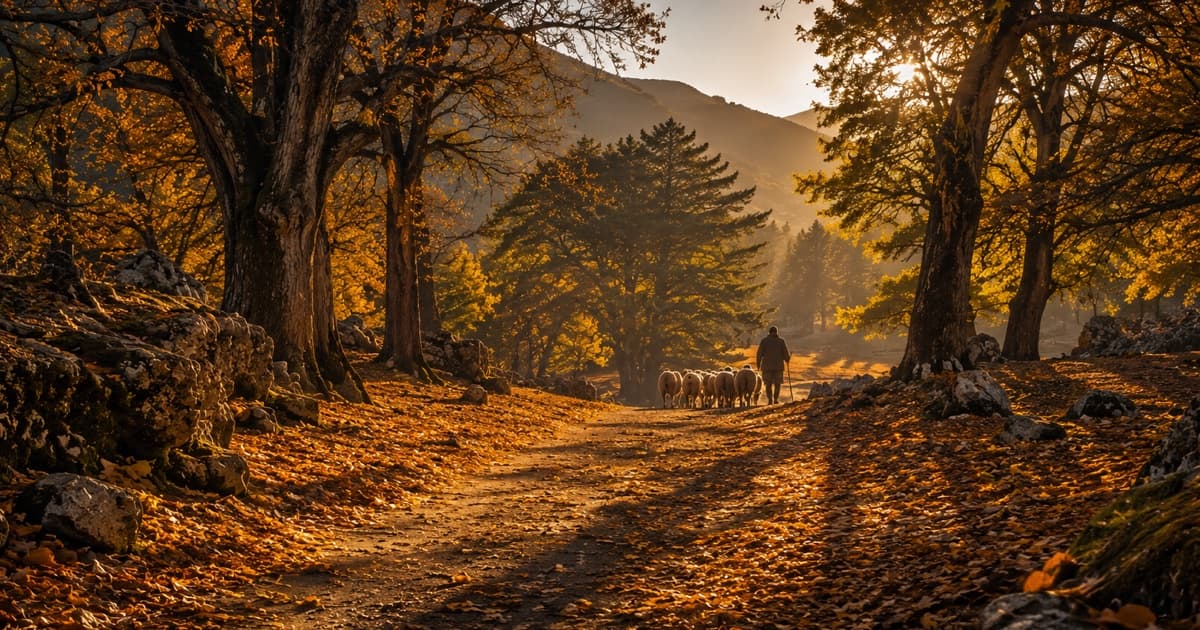
October brings cooler temperatures, the first rains, and a golden quality of light that photographers love.
Regional Conditions
- Tangier/Rif: Highs 23-26 C, lows 14-16 C. First significant rain (40-60 mm).
- Casablanca/Rabat: Highs 24-26 C, lows 14-16 C. Rain beginning (30-40 mm).
- Marrakech: Highs 27-30 C, lows 14-16 C. Occasional rain (15-25 mm). Comfortable.
- Fes: Highs 25-28 C, lows 12-14 C. Rain returning (30-45 mm).
- Atlas Mountains: Cooling. First snow on highest peaks possible late in the month.
- Sahara: Highs 30-34 C, lows 14-18 C. Prime desert season.
What to Know
- The Date Festival in Erfoud (usually mid-October) is a major cultural and agricultural event.
- Surf season begins along the Atlantic coast.
- An excellent month for the Sahara: comfortable temperatures, low wind.
- The Marathon des Sables (ultra-marathon) preparation camps begin in the desert.
November: The Rains Return
November marks the definitive return of the rainy season. The north and west receive regular precipitation, and temperatures drop noticeably.
Regional Conditions
- Tangier/Rif: Highs 19-21 C, lows 10-12 C. Heavy rain (80-120 mm). Green returning to the landscape.
- Casablanca/Rabat: Highs 20-22 C, lows 11-13 C. Rain 60-80 mm.
- Marrakech: Highs 21-24 C, lows 9-11 C. Rain 25-35 mm. Pleasant but cooling.
- Fes: Highs 18-21 C, lows 7-10 C. Rain 50-70 mm. Cold evenings.
- Atlas Mountains: First significant snowfall. Ski resorts preparing for the season.
- Sahara: Highs 24-28 C, lows 10-14 C. Still excellent for desert visits.
What to Know
- Pack waterproof layers for northern and central Morocco.
- Accommodation prices drop to near-winter lows.
- The countryside transforms as rains green up the parched landscape.
- Excellent birdwatching as migratory species arrive from Europe.
December: Winter Sets In
December closes the year with cold nights, rain in the north, snow in the mountains, and the festive atmosphere of year-end celebrations.
Regional Conditions
- Tangier/Rif: Highs 15-17 C, lows 8-10 C. Heavy rain (90-130 mm). Storms possible.
- Casablanca/Rabat: Highs 17-19 C, lows 9-11 C. Rain 70-90 mm.
- Marrakech: Highs 18-20 C, lows 5-7 C. Rain 25-35 mm. Cold nights.
- Fes: Highs 14-16 C, lows 3-6 C. Rain 50-70 mm. First frosts.
- Atlas Mountains: Ski season opens. Ifrane under snow. Spectacular scenery.
- Sahara: Highs 18-22 C, lows 3-6 C. Cold nights but clear days. Stargazing at its best.
What to Know
- New Year's Eve celebrations in Marrakech and major cities attract international visitors.
- Ski season begins at Oukaimeden and Michlifen, snow conditions permitting.
- The shortest days of the year: approximately 9.5 hours of daylight.
- Desert camps offer special New Year packages, but book well in advance.
- Warm clothing is essential everywhere, especially for evening dining.
Summary Table: Best Months by Region
| Region | Best Months | Avoid |
|---|---|---|
| Marrakech | March-May, Oct-Nov | Jul-Aug |
| Casablanca | Apr-Jun, Sep-Nov | - |
| Fes | Apr-May, Sep-Oct | Jul-Aug |
| Tangier | May-Sep | Dec-Feb |
| Essaouira | Mar-May (calm), Jun-Sep (wind sports) | - |
| Chefchaouen | Apr-Jun, Sep-Oct | Dec-Feb |
| Atlas (trekking) | May-Jun, Sep-Oct | Dec-Feb |
| Atlas (skiing) | Jan-Mar | Jun-Oct |
| Sahara | Oct-Nov, Feb-Apr | Jun-Aug |
Conclusion
Morocco's weather calendar reveals a country of extraordinary variety. Every month has its ideal destinations and its challenging ones. By matching your travel dates to the regional conditions laid out in this guide, you can experience Morocco at its finest no matter when your schedule allows.