The Best Time to Visit Every Major Moroccan City
Timing is everything when it comes to Morocco. Visit Marrakech in August and you may find yourself sheltering from 45 C heat in a riad courtyard. Arrive in Chefchaouen in January and you could face days of cold rain. But hit the sweet spot, and Morocco reveals itself as one of the most rewarding destinations on Earth. This guide breaks down the ideal travel window for eight major Moroccan cities, helping you plan a trip that avoids the extremes and catches the country at its best.
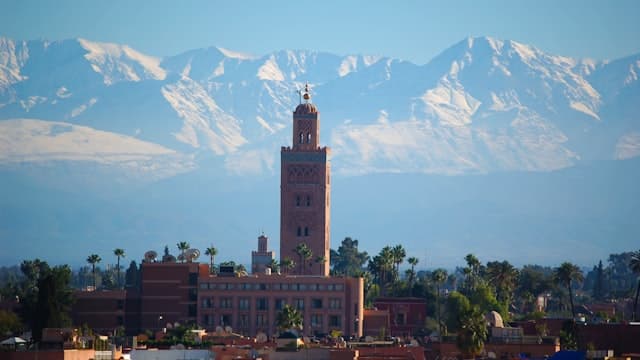
Marrakech: The Red City
Marrakech sits at 450 meters elevation on the Haouz plain, shielded from Atlantic breezes by 180 km of distance from the coast. This inland position means hot summers and mild winters.
Best Months: March to May, September to November
- March-May: Temperatures climb from 22 C to 30 C, gardens are in bloom, and the light is extraordinary. The almond blossoms around the Ourika Valley are a highlight in March.
- June-August: Summer is punishing, with highs regularly exceeding 40 C in July and August. The souks become ovens. Only visit if you have heat tolerance and a hotel with a pool.
- September-November: September is arguably the single best month. Temperatures have eased to 32 C to 34 C, the summer crowds have thinned, and prices drop. October and November bring cooler days around 25 C and the occasional rain shower.
- December-February: Pleasant daytime temperatures of 18 C to 20 C, but nights can be cold (5 C to 8 C). Moroccan buildings are designed for heat, not cold, so bring warm layers for evenings.
Special Consideration
Ramadan shifts approximately 10 days earlier each year. During Ramadan, some restaurants close during the day and the rhythm of the city changes. Many travelers find this adds a unique cultural dimension, while others prefer to visit outside this period.
Casablanca: The Economic Capital
Morocco's largest city sits directly on the Atlantic coast, giving it a markedly milder climate than inland cities at the same latitude.
Best Months: April to June, September to November
- April-June: Temperatures range from 20 C to 26 C with low rainfall. The city is lively, the corniche is buzzing, and the Hassan II Mosque looks magnificent under clear skies.
- July-August: Warmer but tempered by ocean breezes. Highs reach 28 C to 30 C, rarely the oppressive heat found inland. Coastal fog can roll in during mornings.
- September-November: Excellent conditions. September sees the warmest sea temperatures, around 22 C, making it the best month for beach visits. October remains warm at 24 C.
- December-March: The rainy season brings 60 to 80 mm of rain per month. Days are mild at 17 C to 19 C, but grey skies are common. The city functions normally in rain but outdoor sightseeing loses some appeal.
Fes: The Spiritual Capital
Fes occupies an inland basin at 410 meters elevation, surrounded by hills. This geography traps heat in summer and cold air in winter, creating more extreme conditions than the coast.
Best Months: April to May, September to October
- April-May: The finest season. Temperatures of 22 C to 28 C, minimal rain, and the surrounding countryside turns green. The Fes Festival of World Sacred Music typically falls in June, so late May combines good weather with pre-festival buzz.
- June-August: Hot. Fes is one of Morocco's hottest cities in summer, with July and August averaging 36 C and spikes above 42 C. The narrow streets of the medina provide some shade but also trap heat.
- September-October: September is superb, with temperatures settling to 30 C and clear skies. October cools further to 24 C. These months offer the best combination of pleasant weather and fewer tourists.
- November-March: Cool and wet. December and January see average highs of just 14 C to 16 C with regular rain. Snow is rare in the city but possible on surrounding hills.
Insider Tip
Fes gets surprisingly cold at night from November to February. If your riad does not have heating, request extra blankets or a portable heater.
Tangier: The Gateway to Africa
Tangier's position at the junction of the Atlantic and Mediterranean gives it a unique climate that is windier and wetter than most Moroccan cities.
Best Months: May to September
- May-September: The dry season transforms Tangier. Summer temperatures are moderated by sea breezes, rarely exceeding 30 C. The beaches of Cap Spartel and the new marina are at their best. July and August bring European tourists, so June and September are less crowded.
- October-November: Transitional months. Rain begins to pick up, but temperatures of 20 C to 22 C remain comfortable. The Tangier Jazz Festival often falls in this period.
- December-March: Tangier's rainy season is significant. The city receives 800 to 900 mm of annual rainfall, most of it concentrated in these months. The Levante wind can blow for days, churning the strait and grounding ferries. Days are mild at 15 C to 17 C but feel colder in the wind.
- April: An excellent month as rain tapers off and spring arrives. Temperatures reach 18 C to 20 C.
Essaouira: The Wind City
Essaouira's climate is an anomaly in Morocco. The cold Canary Current and persistent trade winds create conditions that remain cool and breezy year-round.
Best Months: June to September (for sun), March to May (for calm winds)
- June-September: Warm and reliably sunny, but the famous Alizee winds blow strongly, especially in July and August. Perfect for wind sports, less ideal for beach lounging. Temperatures hover at 22 C to 25 C.
- March-May: The wind is calmer in spring, making it the best period for those who want to explore on foot, visit the medina comfortably, or swim without battling waves. Temperatures are 18 C to 22 C.
- October-November: Still pleasant at 20 C to 23 C, with diminishing winds. A great shoulder season.
- December-February: Mild winters with temperatures rarely below 12 C, but rain is more frequent and the winds can be cold. The city has a moody, atmospheric quality that some travelers love.
Special Note for Surfers
The best waves hit Essaouira and the surrounding coast from October to March, when Atlantic swells are at their most powerful. Water temperature drops to around 17 C in winter, so a wetsuit is essential.
Chefchaouen: The Blue Pearl
Nestled in the Rif mountains at 560 meters elevation, Chefchaouen has a wetter, cooler climate than lowland cities. It is one of the rainiest places in Morocco.
Best Months: April to June, September to October
- April-June: Spring is magnificent. The hills turn vivid green, wildflowers bloom, and temperatures of 20 C to 28 C are ideal for hiking. The blue-washed medina is stunning under clear skies.
- July-August: Warm at 30 C to 34 C, but drier and less oppressive than Fes due to the altitude. Evenings cool pleasantly.
- September-October: September is the best single month. Heat has faded, summer tourists have left, and the rains have not yet begun. October remains dry most years.
- November-March: The wet season is serious here. Chefchaouen can receive 200 mm of rain in December alone. Low clouds can envelope the town for days, though when the clouds lift, the views are spectacular. January and February can see frost and occasionally light snow.
Ouarzazate: The Door of the Desert
Ouarzazate sits at 1,160 meters on a high plateau south of the High Atlas. Its climate is semi-arid with blazing summers and cold winters.
Best Months: March to May, October to November
- March-May: The ideal window. Days are warm at 24 C to 30 C, nights are comfortable at 10 C to 15 C. The kasbah route through the Dades and Todra gorges is at its most photogenic.
- June-August: Extremely hot. July averages 38 C with peaks above 44 C. The landscape is bleached and harsh. Only visit if you are heading to the cooler gorges or have strong heat tolerance.
- September: A transitional month that works well. Temperatures ease to 34 C, and the region gets a small burst of late-summer rainfall that freshens the air.
- October-November: Excellent. Days are warm at 25 C to 28 C, and the date harvest in the Draa Valley adds cultural interest.
- December-February: Cold, especially at night when temperatures can drop below freezing. Days are sunny and pleasant at 16 C to 18 C, but accommodations often lack adequate heating.
Merzouga: The Gateway to the Sahara
Merzouga, on the edge of the Erg Chebbi dunes, has an extreme desert climate. The diurnal temperature swings here are among the largest in Morocco.
Best Months: October to April
- October-November: The sweet spot. Daytime temperatures of 28 C to 32 C are warm but manageable, and nights cool to a comfortable 12 C to 16 C. The light on the dunes at sunrise and sunset is unforgettable.
- December-February: Days are pleasant at 18 C to 22 C, but desert nights can be bitterly cold, dropping to 2 C to 5 C. Pack serious warm layers for the overnight camel treks and desert camps. Clear winter skies make this the best period for stargazing.
- March-April: Warming rapidly but still comfortable. Occasional sandstorms (known locally as irifi) can occur as the season transitions. March temperatures range from 25 C to 30 C.
- May-September: Avoid if possible. June through August regularly exceeds 45 C, and even desert-adapted locals minimize outdoor activity. The sand itself becomes too hot to touch by mid-morning.
September: The Best Overall Month
If you could visit only one month, September would be the strongest choice for most travelers. Here is why:
- Marrakech: 32 C to 34 C, hot but past the worst of summer. Crowds have thinned significantly.
- Casablanca: 26 C to 28 C with the warmest sea temperatures of the year.
- Fes: 30 C to 32 C, sunny and dry before the autumn rains.
- Tangier: 26 C to 28 C, end of the dry season with calm seas.
- Essaouira: 23 C to 25 C, winds beginning to ease from their summer peak.
- Chefchaouen: 26 C to 28 C, dry and clear with golden light.
- Ouarzazate: 32 C to 34 C, cooling from summer extremes.
- Merzouga: 34 C to 38 C, borderline but manageable with early morning and late afternoon activities.
September also falls outside European school holidays, meaning lower prices, shorter queues at major sites, and easier accommodation bookings.
Planning Tips Across All Cities
- Book flexible accommodations if your trip spans multiple climate zones. A riad with a rooftop terrace is essential in Marrakech and Fes; a windbreak or sheltered courtyard matters more in Essaouira.
- Check altitude before packing. A trip from Casablanca (sea level) to Ouarzazate (1,160 m) via the Tizi n'Tichka pass (2,260 m) crosses enormous altitude changes in a single day.
- Monitor regional forecasts rather than relying on a single national outlook. Morocco's climatic diversity means that rain in Tangier tells you nothing about conditions in Marrakech.
- Consider festivals: the Gnaoua World Music Festival in Essaouira (June), the Rose Festival in Kelaat M'Gouna (May), and the Date Festival in Erfoud (October) can enhance a trip but also strain accommodation.
- Build in buffer days for the Sahara. Sandstorms can disrupt plans, and the flexible traveler gets the best desert experience.
Conclusion
Morocco rewards the informed traveler. By matching your itinerary to the rhythms of each city's climate, you avoid the scorching summers of the interior, the rain-lashed winters of the north, and the bitter desert nights that catch the unprepared. Whether you choose the golden perfection of September or the crisp winter sunshine of the south, understanding these patterns transforms a good trip into an unforgettable one.